


Starting a business is exciting, but managing finances can be one of the most challenging parts of running a startup. From tracking expenses to managing cash flow and filing taxes, effective accounting is crucial for maintaining financial health.
Fortunately, technology has made this task much easier. Todays startups can rely on a range of smart accounting tools designed to simplify daily financial operations and reduce human error.
In this article, well explore the best accounting tools that make life easier for startups and how they can transform financial management into a streamlined process.
What Are the Tools that Make Accounting Easier for Startups?
1. QuickBooks Online A Complete Accounting Solution
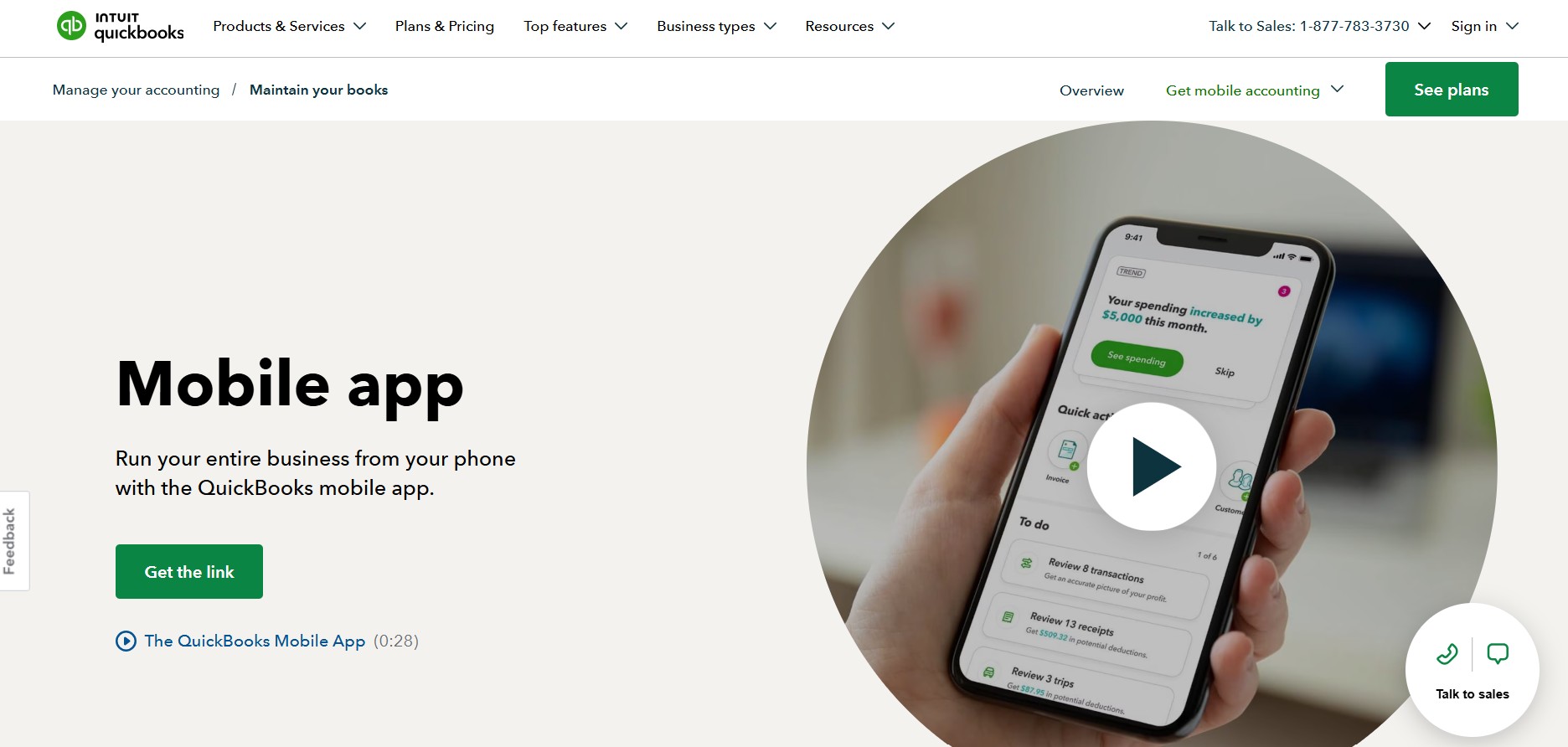
QuickBooks Online is one of the most popular tools among startups and small businesses. It offers everything from invoicing and payroll management to real-time expense tracking. Its intuitive dashboard allows you to visualize cash flow and financial performance easily.
Key Features:
- Automated invoice creation and reminders
- Bank account integration for automatic transaction syncing
- Tax calculation and reporting tools
- Mobile app for managing accounts on the go
QuickBooks simplifies compliance and ensures accuracy, making it ideal for new business owners with limited accounting knowledge.
2. Xero Perfect for Collaborative Accounting
Xero is another excellent option for startups, particularly those that value collaboration. It allows business owners, accountants, and team members to work together in real time from any device.
Highlights:
- Multi-user access with permission settings
- Easy integration with over 800 business apps
- Smart bank reconciliation and reporting tools
- Cloud-based access for remote financial management
Startups using Xero can automate repetitive accounting tasks, helping them focus on scaling their operations.
3. FreshBooks Simplified Accounting for Service-Based Startups
If your startup provides services rather than products, FreshBooks is a great choice. It combines simplicity with powerful invoicing and time-tracking features, helping entrepreneurs get paid faster and keep track of billable hours effortlessly.
Benefits:
- Professional invoice customization
- Time-tracking for client billing
- Expense categorization and reports
- Integration with payment gateways like Stripe and PayPal
FreshBooks is especially popular among freelancers, agencies, and small creative teams who need an easy yet reliable accounting solution.
4. Wave A Free Accounting Tool for Small Startups
For early-stage startups operating on a tight budget, Wave Accounting is an outstanding free tool. Despite being free, it offers premium-level functionality, including income and expense tracking, invoicing, and receipt scanning.
Advantages:
- 100% free to use with no hidden costs
- Built-in invoicing and payroll features
- Easy integration with bank accounts
- Simple reporting and analytics
Wave is perfect for startups in their initial stages who need essential accounting functions without the expense of premium software.
5. Zoho Books Automation and Compliance Combined
Zoho Books stands out for its automation capabilities and seamless integration with other Zoho business apps. Startups can use it to automate workflows like invoice reminders, tax filing, and financial reporting.
Why Its Great for Startups:
- Automation of routine accounting tasks
- Secure online payment processing
- Real-time project expense tracking
- Compliance-ready reports for VAT and GST
Its especially suitable for startups growing into SMEs that need scalable and compliant accounting software.
6. Sage Business Cloud Accounting Built for Growth
Sage offers cloud-based accounting software thats designed to grow alongside your startup. It provides powerful reporting tools, multi-currency support, and features for managing both small and large business finances.
Core Features:
- Automatic bank feeds and reconciliation
- Cloud access for remote accounting
- Multi-currency and multi-user support
- Strong compliance and data security features
Sage is ideal for startups that aim to expand globally or expect rapid growth in the near future.
Why Accounting Tools Are Essential for Startups?
Using the right accounting tools doesnt just save time it also reduces the risk of costly errors and improves decision-making. By automating manual processes like invoice management and expense categorization, startups can focus on strategy, innovation, and scaling their operations efficiently.
If you want to explore more insights about how digital tools are transforming business operations, check out the eBusiness Blog, a trusted source for the latest trends, tools, and growth strategies for entrepreneurs and startups.
Final Thoughts
For startups, every minute and pound counts. Choosing the right accounting software can make the difference between financial chaos and organized growth.
Whether you opt for QuickBooks, Xero, or a free solution like Wave, these tools will help you stay compliant, transparent, and financially confident as your business grows.